
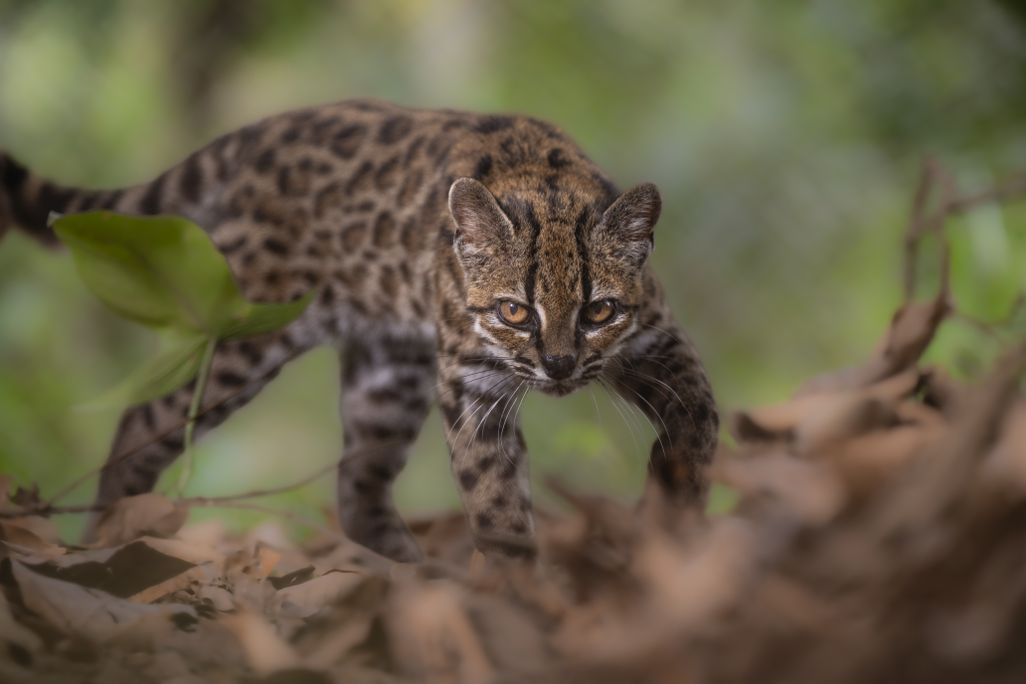
Big news for little cats! Between helping the abandoned cats of Cape Town find loving homes and pampering our own fancy felines, can we all just take a moment to welcome the newest wild cat species discovered on our planet!
For the first time in over 100 years, scientists have officially described a brand-new species of wild cat! Meet Leopardus tilcayo, affectionately known as the Tilcayo cat.
Tiny, Elusive, and Cloud-Forest Bound
Discovered high in the cloud forests of Bolivia’s Yungas region by an international research team, which included National Geographic Explorer Paola Nogales Ascarrunz, this miniature wild cat weighs in at a tiny 3 pounds (around 1.35 kg). That makes it smaller than your average domestic house cat!
For decades, these felines were thought to belong to a single, widespread wild cat species. However, recent DNA analysis unlocked a huge secret: there are actually five distinct wild cat species hiding in plain sight.
What sets the Tilcayo cat apart from its relatives?
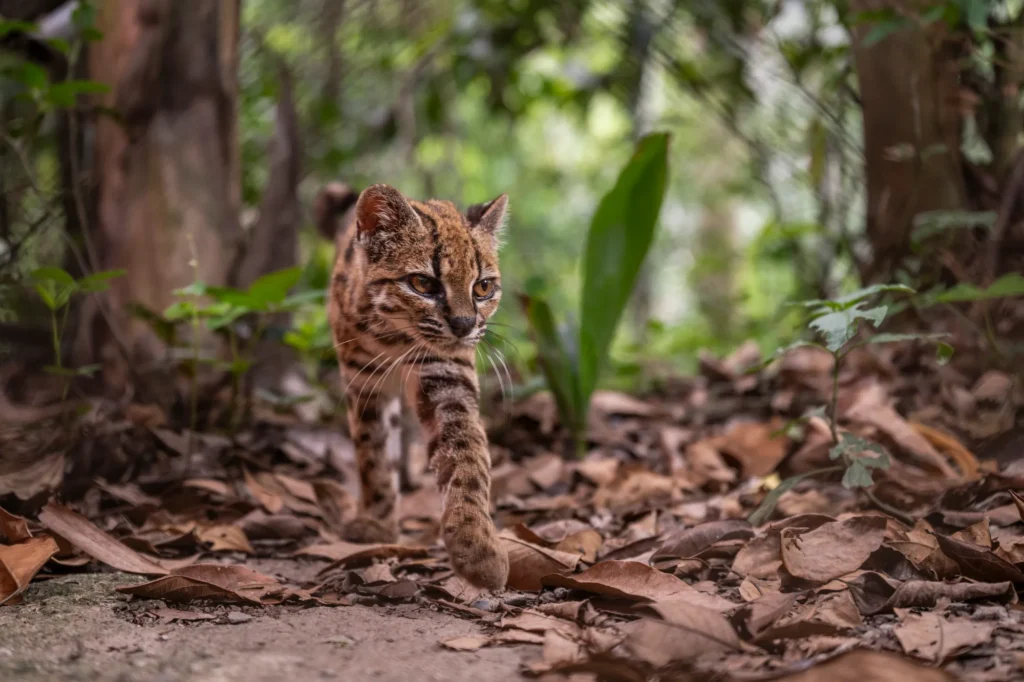
Slender Frame: Built for agility in dense cloud forest terrain.
Muted Fur & Extra-Large Spots: A stunning, subtle coat pattern designed for high-altitude camouflage.
The species name Tilcayo honors the ancestral knowledge of the communities in the Nor Yungas province of La Paz, who have known and named the cats of Bolivia for generations.
Why This Discovery Matters To Cat Lovers Everywhere
In Paola Nogales Ascarrunz’s own words: “Describing a new cat species after more than 100 years shows how much we still have to learn about the biodiversity around us. But it also reminds us that we need to protect the Yungas forests, which are home to so many species, including some we are only beginning to understand.”
Scientists are currently deploying camera traps deep in the Yungas cloud forest to gather crucial data, map out their remaining wild habitats, and build targeted conservation programs to shield the Tilcayo cat from habitat loss.
Global discoveries like the Tilcayo cat highlight the vital importance of protecting wild felids right in our own backyards, such as Cape Town’s indigenous caracals. As the last remaining apex predator on the Cape Peninsula, caracals play a crucial role in maintaining local ecosystem balance.
Initiatives like the Urban Caracal Project perform groundbreaking research to understand how these resilient wild cats navigate urban expansion, vehicle traffic, and environmental pollutants. By mapping their movements and identifying key habitat corridors, their work helps ensure that wild felines can safely coexist with human communities across the Mother City and beyond.
Explore the Wild Cats Directory to discover how dedicated conservation efforts are protecting wild feline species both locally and across the globe.