Cats are absolute masters at pretending everything is fine. Whether they are sunbathing on a windowsill in Camps Bay or ruling the living room from atop the couch, felines rarely show us when they’re hurting. This Animal Pain Awareness Month, global animal health company Zoetis South Africa shed light on a condition affecting thousands of cats: Feline Osteoarthritis (OA).
Up to 90% of cats over 12 years old show X-ray evidence of osteoarthritis, and roughly 40% exhibit clear behavioral signs of chronic joint pain. Yet, because cats rarely limp the way dogs do, their suffering often goes completely unnoticed.
“Just Old Age” Is Often Hidden Pain
“Many cats live with osteoarthritis, but the signs are so subtle that even the most dedicated cat parents mistake them for simple aging,” says Dr Tarryn Dent, veterinarian and Business Unit Director: Companion Animals at Zoetis South Africa. “A cat won’t necessarily cry out or limp. Instead, they just quietly alter their daily routines.”
Osteoarthritis is a chronic joint condition where the cartilage breaks down over time, causing inflammation, stiffness, and persistent pain. Because cats are both predators and prey in the wild, evolution has taught them to mask physical weakness—leaving pet owners to play detective.
9 Subtle Signs Your Cat Might Have Osteoarthritis
If your purr-baby is displaying any of the following changes, joint pain could be the underlying cause:
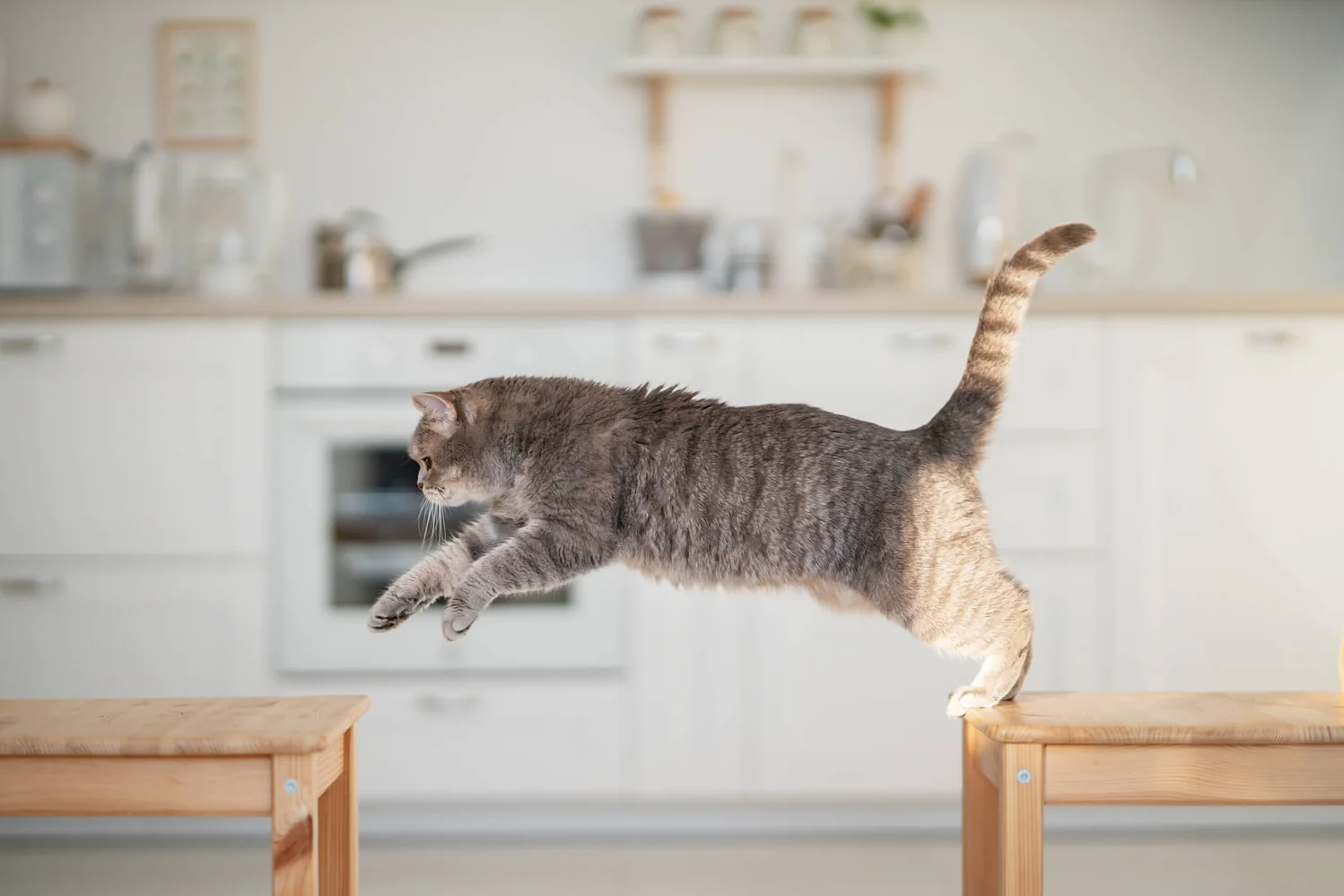
- Hesitating before jumping: Taking smaller jumps, using intermediate furniture to get up high, or avoiding high perches altogether.
- Stiff movements: Moving more slowly, especially when waking up from a nap.
- Litter box trouble: Having accidents near the box or struggling to step over high litter tray walls.
- Grooming changes: A unkempt coat due to difficulty reaching certain spots, or over-licking specific painful joints.
- Changes in sleep: Sleeping even more than usual or sleeping only in easily accessible, floor-level spots.
- Hiding or withdrawing: Spending more time under beds or in quiet corners away from the family.
- Personality shifts: Becoming irritable, vocalizing when touched, or showing less tolerance for affection.
- Reluctance to play: Losing interest in favourite feather wands or chase toys.
- Reluctance to use stairs: Taking steps one by one or avoiding multi-story stairs.
How To Help Aging Cats
If you suspect your cat is suffering from joint discomfort, don’t feel guilty for not noticing sooner. Early-stage joint pain is notoriously tricky to detect.
Here is what you should do next:
- Track Behavior for a Week: Keep a brief log of any shifts in mobility, jumping, or mood.
- Take Short Videos: Catching your cat jumping or walking on camera at home is invaluable, as stress at the vet clinic often masks pain symptoms.
- Schedule an Assessment: Book a dedicated feline OA assessment with your local veterinarian.
Managing Joint Pain: A Tailored Approach
While osteoarthritis cannot be cured, it can be managed effectively so your cat can get back to their normal, happy self.
“Veterinary-prescribed pain management is the foundation of treatment,” explains Dr Dent. “When pain is controlled, cats regain the confidence and comfort to move naturally again.”
Alongside targeted treatment from your vet, simple home tweaks can make a massive difference:
- Add ramps or step-stools near favorite high perches, beds, or windows.
- Switch to low-entry litter boxes that don’t require high stepping.
- Place non-slip rugs over slick tile or hardwood floors.
- Keep food, water, and beds on a single level to minimize stair climbing.
Your cat doesn’t have to live with daily discomfort. Speak to local veterinarian about a tailored pain management plan that fits your cat’s needs and your family budget.