South Africa is home to an estimated 2 million household cats, according to Statistics South Africa’s 2025 General Household Survey. The survey found that nearly a quarter of South African households own pets.
Globally, domestic cat populations continue to grow, with countries like the United States, China, and Russia leading in numbers.
Ahead of September, which is recognized internationally as Animal Pain Awareness Month, the figures come at a time of growing demand for high-quality, innovative, and accessible pet healthcare services. This milestone offers a timely opportunity to reflect on how South Africans care for their animals.
For cat owners, attentive care is particularly vital because feline illness and pain are often subtle and difficult to spot. Key warning signs that warrant attention include changes in:
- Appetite and eating habits
- Grooming routines
- Mobility and movement
- General behavior and daily routines
The timing is significant for the University of Pretoria’s Onderstepoort Veterinary Academic Hospital, which is marking more than a year since opening its specialist cat care centre. The unit is Gauteng’s first and South Africa’s second Gold Status facility and has treated more than 2,000 feline patients since opening.
Rethinking the vet visit
Anyone who has tried to get a cat into a carrier knows that getting to the vet can sometimes feel like an event in itself. Once there, unfamiliar sights, sounds, smells and handling can add to the stress. For some cats, that can make an examination more difficult for both the animal and the veterinary team.
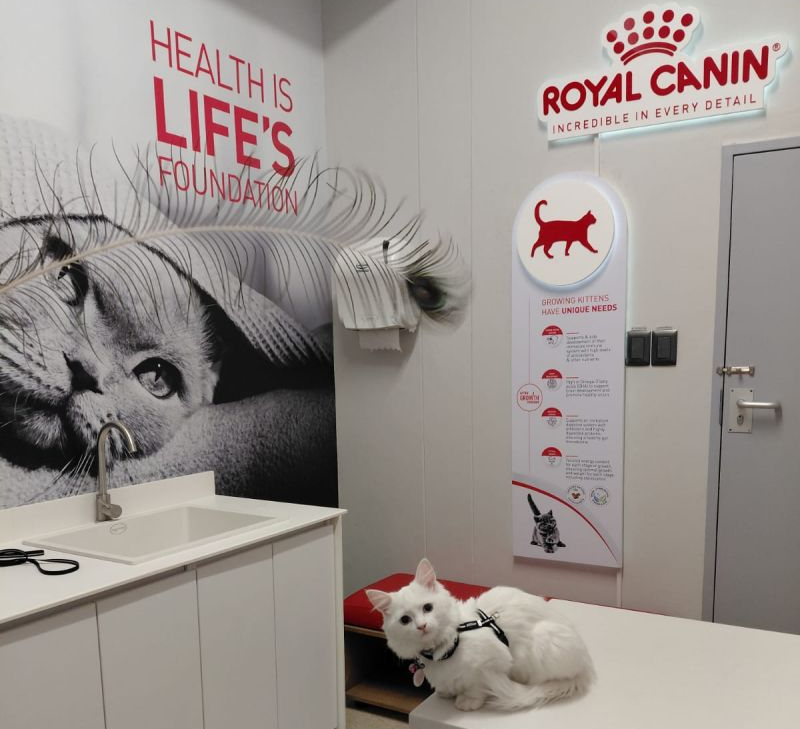
The specialist facility was developed in partnership with pet food giant Royal Canin to address those challenges by designing the veterinary environment around the particular needs of cats. Gold Status is the highest level in the Cat Friendly Clinic programme. It recognizes clinics that meet defined standards covering clinical facilities, veterinary knowledge and skills, and cat-centred care.
The facility includes dedicated spaces and separate waiting and consultation rooms, with attention paid to factors such as sight, sound and smell. It also uses low stress handling and provides training for staff and students. The result is an approach that goes beyond creating a separate waiting area. The physical environment, handling techniques and clinical practices are considered together as part of the patient’s care.
A year of putting the approach into practice
Since opening, the specialist clinic has treated cats with a range of conditions. The wider hospital also has a dedicated intensive care unit for cats, an isolation ward for feline outpatients and a separate area for cats within the small animal clinic.
As a pioneering teaching hospital, it trains approximately 180 veterinary students and 38 veterinary nursing students each year, supported by 90 clinicians and 42 professional nurses. Students gain practical experience they can take into veterinary practices across South Africa.
Tricky patients
Cats can be remarkably good at hiding signs that they are unwell. Subtle shifts in appetite, grooming, movement, behavior, or routine may often be the only indication that something is wrong.
Stress adds another layer of complexity. A frightened or anxious cat can be difficult to examine safely, potentially hindering a complete health assessment. Providing a calmer environment alongside gentler handling gives veterinary teams the best possible opportunity to thoroughly examine patients and deliver appropriate treatment.
For owners, the aim is a veterinary visit that feels less daunting. For veterinary teams, it is about creating better conditions for assessment and treatment. For future vets, it is about learning how the environment and approach to care can affect the patient experience.
The bigger picture
The partnership between the University of Pretoria and Royal Canin brings together veterinary education, clinical practice and private sector support, demonstrating how collaboration can help strengthen veterinary expertise in South Africa.
The role of veterinary care extends well beyond the wellbeing of household pets. It is essential to the health and welfare of animals across all South African communities — from domestic pets and farm livestock to unique indigenous wildlife. Furthermore, veterinary expertise directly supports:
- National food safety and security
- The agricultural economy
Prevention of zoonotic disease transmission (diseases passing from animals to humans)
What the experts say
“At Onderstepoort, we believe feline medicine begins with feline dignity,” said Dr Alfred Kgasi, Director of the Onderstepoort Veterinary Academic Hospital. “Our students learn that a calm cat is a diagnosable cat, and that respect for the patient transforms outcomes for the owner, the clinician and the animal.”
“Royal Canin has always believed that supporting veterinary professionals means investing in the environments where care happens,” said Frank Chadinha, General Manager for Royal Canin South Africa. “By partnering with the University of Pretoria to develop this Gold Cat Friendly facility, we are helping create better experiences for cats today while supporting the veterinarians who will care for South Africa’s pets for decades to come.”