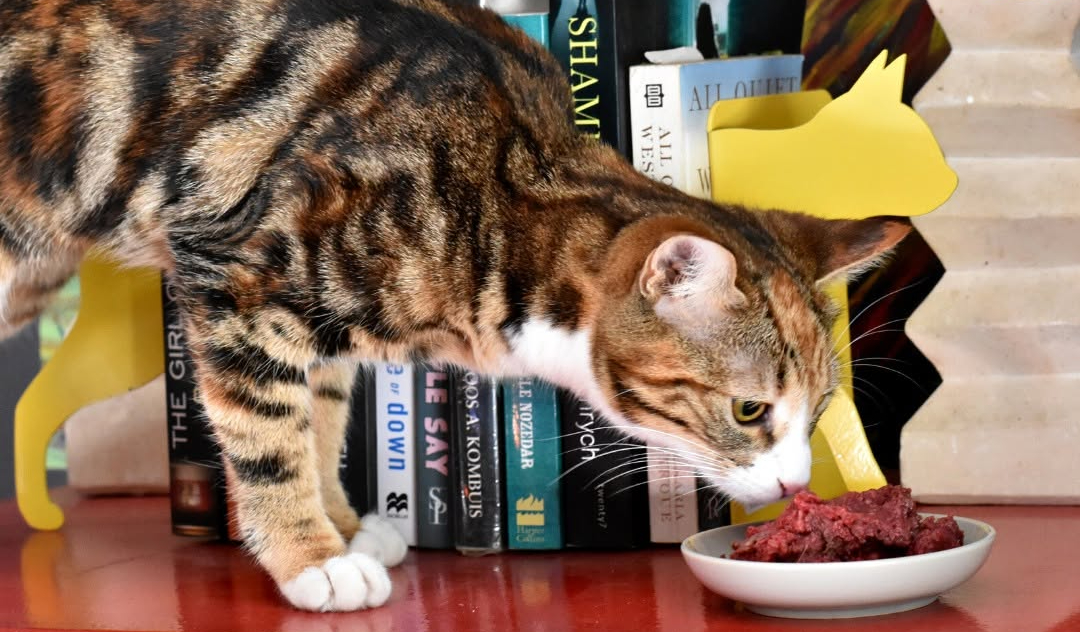
Cat parents who feed their clowder raw food, know how sensitive the feline palate and sense of smell can be.
Recently, I experienced a head-scratcher with my three cats. Their daily meal of choice is Doggobone Alfie’s—a local raw food staple we’ve trusted for a long time. But when I opened a brand-new tub from our latest order, all three turned away from their bowls in total unison.
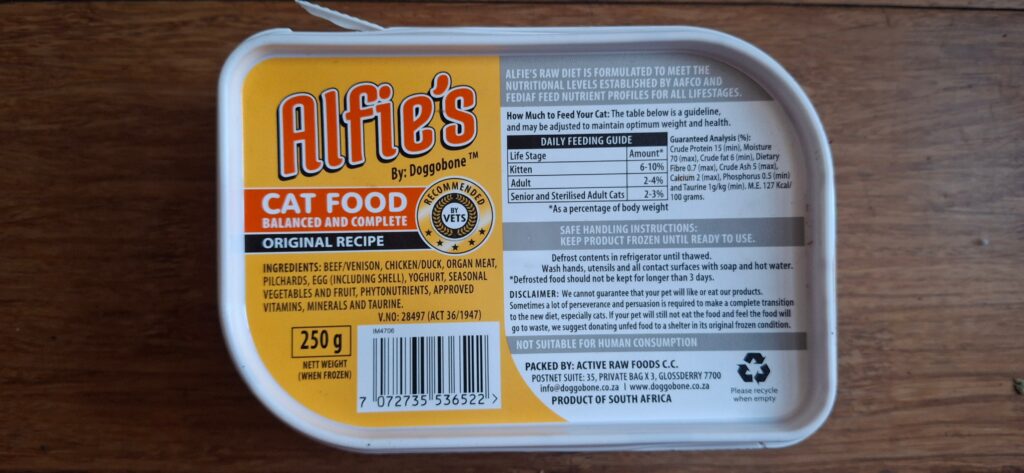
Knowing my trio, a complete strike meant something felt different to them. That sent me down a rabbit hole of investigation, date-stamps, and conversations with our pet shop Pethingz (who we love!) and local suppliers. Here is what I learned about raw food batch variations, why cats react to them, and how to handle it when your picky felines reject a batch.
The Mystery Of The Date Stamp
While inspecting the tubs to figure out what was going on, I checked the best-before dates stamped on the bottom of the containers.
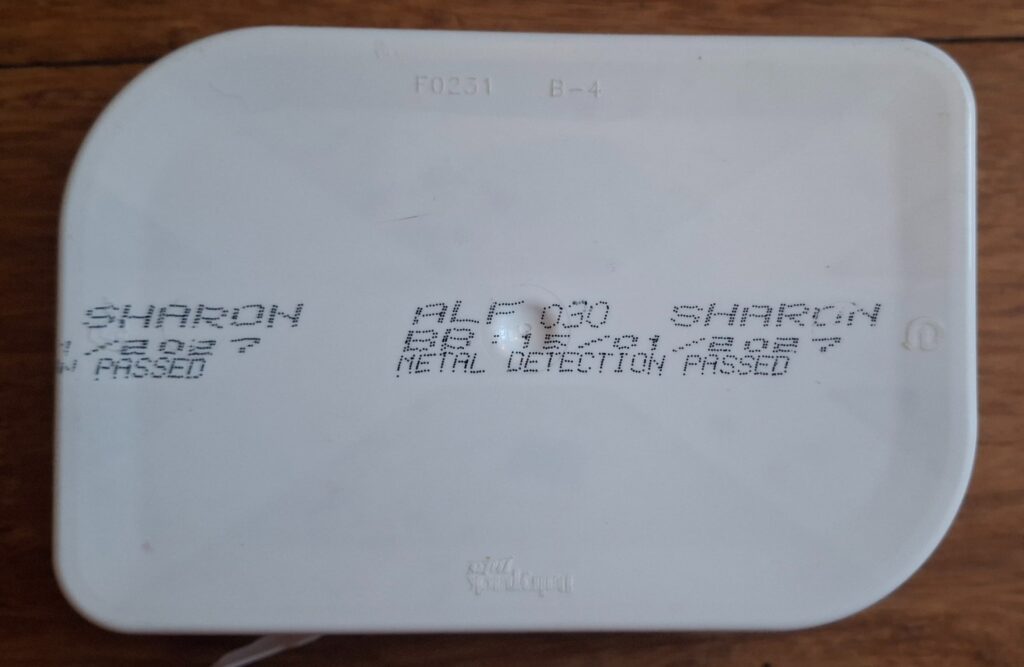
- Batch A (BB 15/01/2027): Devoured down to the last bite.
- Batch B (BB 07/02/2027): Touched by none of the three cats.
I got in touch with our pet food supplier, Natasha at Pet Thingz, who contacted Doggobone, the manufacturer of Alfie’s directly, who claimed to have investigated the specific production run (BB 07/02/2027) and confirmed two important details:
- The recipe has not changed: Under South African agricultural regulations (Act 36 of 1947), registered raw pet foods must stick strictly to their approved formulation. Manufacturers are not permitted to alter registered recipes arbitrarily.
- Quality control checked out: Doggobone investigated the batch and confirmed there were no official defects or safety issues with the lot.
So, if the recipe is strictly controlled and the batch passed quality checks, why did three separate cats refuse to touch it?
Concerning Difference In Batch Documentation
Taking a closer look at the actual print on the underside of both tubs revealed a very interesting visual difference:
Batch A (Eaten – BB 15/01/2027)
Stamped clearly with SHARON (personnel verification) | Stamped X-RAY PASSED & METAL DETECTION PASSED
Batch B (Rejected – BB 07/02/2027)
No mention of SHARON or personnel stamps | Stamped only with AFTER DETECTOR PASSED
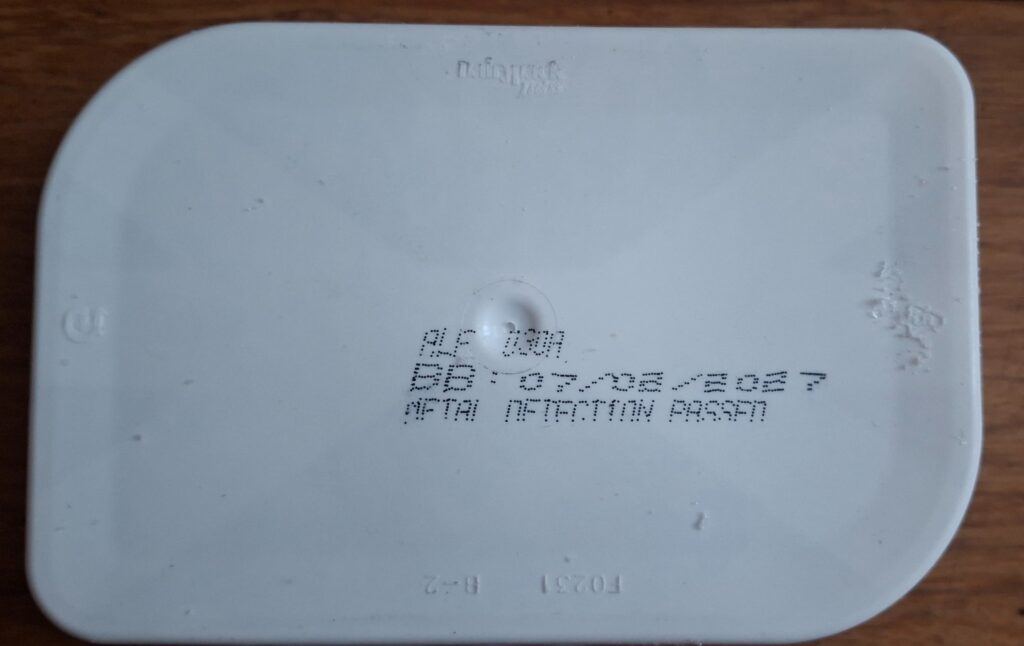
While the official recipe remains unchanged, these differences in batch marking point to potential shifts on the processing line—such as a different shift operator handling quality checks, variations in equipment calibration, or subtle changes in how the raw ingredients were handled prior to sealing.
Cats have an incredible sense of smell—roughly 200 million scent receptors compared to our 5 million. Even slight operational differences on the production line or subtle shifts in temperature during packaging can alter the aroma profile enough for a cat to say, “No thanks!”
3 Reasons Why Cats Sense Differences in Raw Food Batches
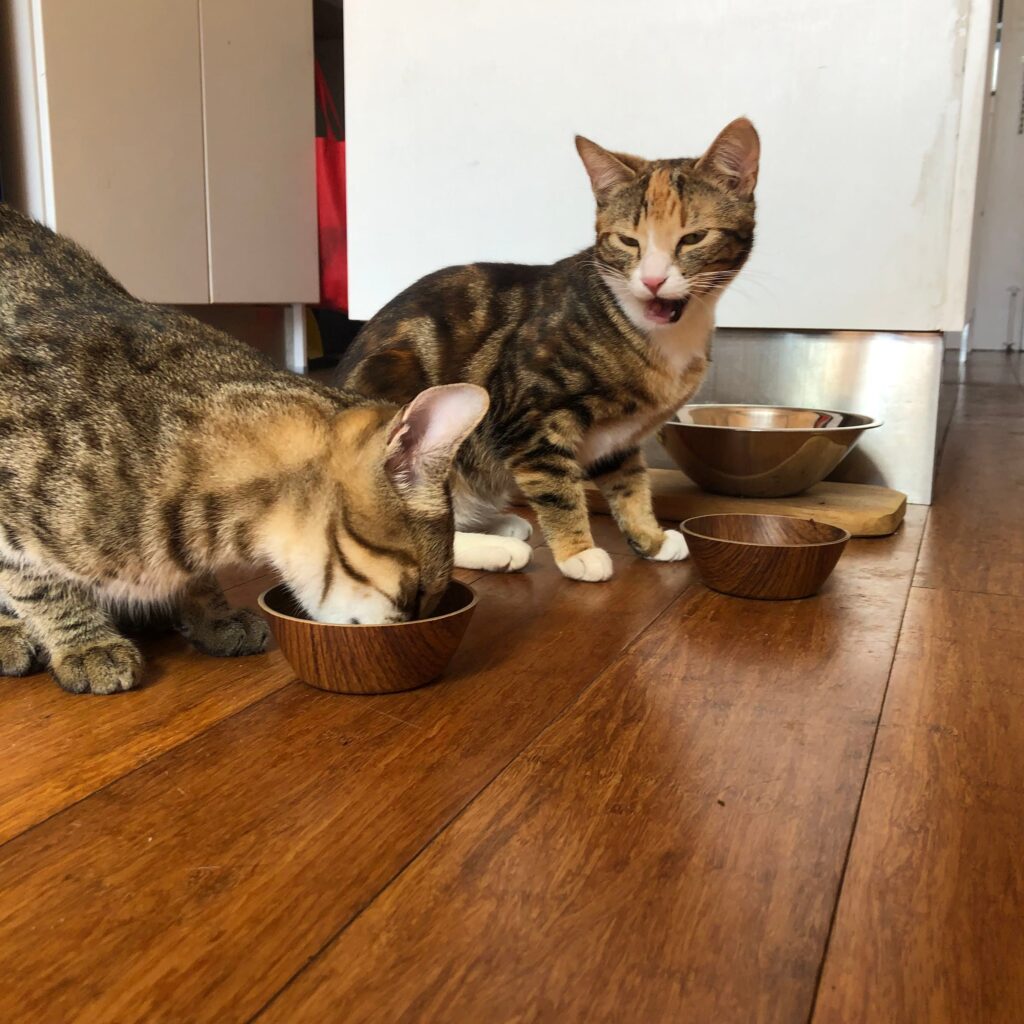
Cats have roughly 200 million scent receptors in their noses (compared to our meager 5 million). Even when a manufacturer adheres 100% to a registered formula, subtle natural factors affect raw meat.
1. Natural Sourcing & Seasonal Variations
Unlike ultra-processed kibble that relies on synthetic flavor enhancers, raw food is made of natural, whole ingredients. A change in the livestock’s seasonal diet, slight natural shifts in fat-to-protein ratios, or variations in organ meat sourcing can subtle change the smell and flavor profile. Humans wouldn’t pick up on it, but to a cat, it smells like a whole different meal.
2. Micro-Breaks in the Cold Chain
Raw food relies heavily on uninterrupted freezing. If a batch experiences a brief, minor temperature fluctuation during transit, delivery, or storage before refreezing, it can accelerate subtle fat oxidation. It might still be perfectly safe to consume, but the altered aroma is often enough to trigger a cat’s innate “don’t eat this” instinct.
3. Scent Dynamics in Processing & Packaging
Even slight variations in processing temperatures on the day of production or subtle differences in tub seals can change how fresh the raw meat aromas remain inside the container over time.
Great Customer Support To The Rescue
Dealing with raw food hiccups comes down to great communication between cat parents, local pet shops, and manufacturers.
Natasha at Pet Thingz handled the situation absolutely brilliantly—understanding that cat parents aren’t just being difficult when our pets refuse food. She offered to swap out our BB 07/02/2027 containers for a fresh batch arriving the following day. Pet Thingz – a local online pet store worth supporting!
What to Do If Your Cats Reject a Fresh Raw Batch
If your cats suddenly refuse their usual raw food:
- Don’t Force It or Leave It Out: Cats can develop food aversion quickly if forced to eat something they suspect is “off.”
- Try Gentle Warming: Never microwave raw food (microwaving cooks internal bone content, making it sharp and dangerous). Instead, submerge the sealed container in lukewarm water for a few minutes. Warming slightly releases natural aromas that may encourage them to try it.
- Check the Batch Numbers: Note the best-before dates on the bottom of your containers before reaching out to your stockist. This helps suppliers trace specific production runs.
- Reach Out to Your Supplier: Reliable stockists (like Pet Thingz) and local manufacturers appreciate feedback and are usually happy to exchange an problematic batch.
Have your Cape Town cats ever turned their noses up at a fresh batch of their usual food? Did you notice any subtle differences in the packaging? Let me know in the comments below.