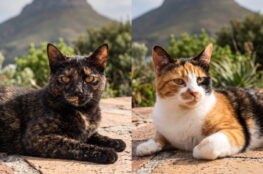

In the vast and ever-changing theater of evolution, adaptability is often hailed as the key to success. Animals that diversify, like the varied species of bears—from the bamboo-eating panda to the fish-hunting polar bear—are seen as masters of survival. Yet, one group of animals challenges this notion entirely: the cat family or Felidae. According to evolutionary biologist Anjali Goswami, cats are “evolutionarily perfect” not because they changed, but because they didn’t.
A Design That Time Forgot
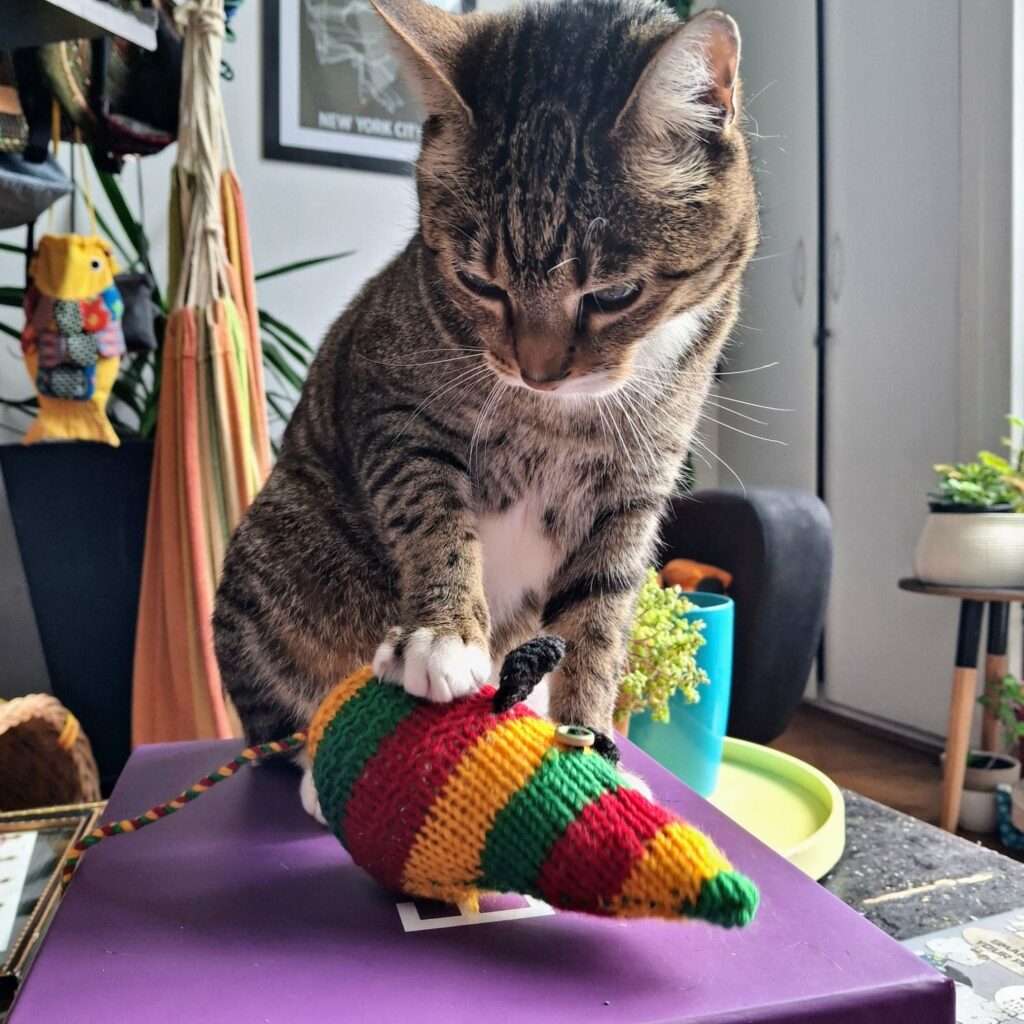
From the majestic lion prowling the African savanna to the stealthy house cat stalking a toy rat, felines share a remarkably consistent body plan. This isn’t a coincidence; it’s a testament to a design so effective it has barely needed to evolve for millions of years. Their sleek, muscular bodies, razor-sharp claws, and lightning-fast reflexes are all honed for a single purpose: to be a hyper-efficient predator.
This hyper-efficiency is a literal fact. Consider a simple house cat: it can reach top speeds of around 30 miles per hour. For context, the fastest human on record, Olympic champion Usain Bolt, was clocked at a maximum speed of about 27.33 miles per hour. Even the most pampered feline is, in a short sprint, a faster athlete than the world’s most elite human.
Unlike other animal lineages that have split into diverse ecological niches, cats have remained laser-focused on one role. Their success lies in their unyielding dedication to this one, solitary lifestyle. This evolutionary stasis isn’t a sign of limitation but a clear signal of their flawless predatory design. They have refined their hunting prowess over millennia, creating a model that works astonishingly well regardless of size or habitat.
Form Follows Function
The most striking evidence of this evolutionary perfection can be found in their anatomy, particularly their skulls. Across the entire family, from the smallest wildcat to the largest tiger, the basic structure of the feline skull is virtually indistinguishable. This consistency is remarkable and highlights how little cats have had to change to maintain their dominance.
This lack of diversification stands in stark contrast to other successful groups, such as the canids (dogs, wolves, and foxes), which show a much wider range of body types and hunting strategies. While wolves hunt in packs and foxes use a more opportunistic approach, cats remain masters of the solo ambush. Their anatomical design is so finely tuned for this specific hunting method that there has been no evolutionary pressure to deviate from it.
When Perfection is Better Than Variety
Evolution is not always a race to see who can adapt the most. Sometimes, the most successful strategy is to simply do one thing better than anyone else. Cats are a living example of this principle. They have weathered global habitat shifts and the rise of rival predators, yet their core design has remained unchanged because it is, quite simply, unparalleled.
So, the next time you see a cat, whether it’s a kitten pouncing on a string or a cheetah chasing its prey, remember that you’re looking at a masterpiece of natural selection. It is a creature that has achieved a rare kind of evolutionary success: not by changing, but by achieving a level of perfection that has stood the test of time.