It turns out that sharing a home with a companion animal means sharing far more than just affection. Emerging research suggests that humans and their pets may also share aspects of their gut microbiomes—the complex ecosystems of trillions of microorganisms that dictate everything from metabolic health to immunity and emotional wellbeing.
The revelation comes as the global scientific community marked World Microbiome Day on June 27, casting a spotlight on a field of study that is rapidly transforming both human and veterinary medicine.
The Household Synced Ecosystem
For decades, the gut microbiome was viewed primarily through the lens of digestive tract efficiency. Today, scientists recognize it as a cornerstone of systemic health, governed heavily by shared environments and lifestyle choices.
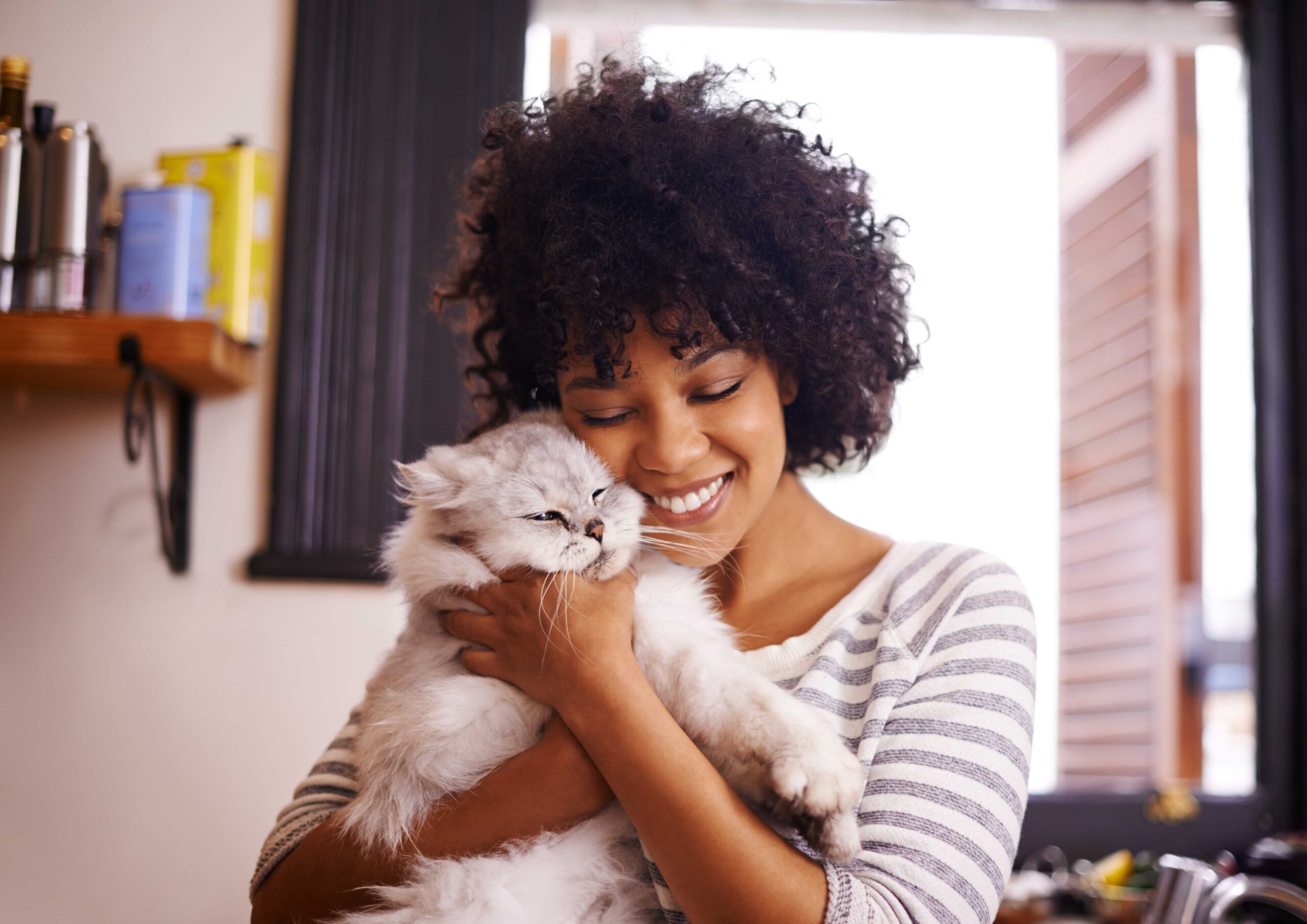
“There is actual research into people who have pets at home and how their gut microbiomes sync with their pets,” notes Catherine Day, a registered dietitian and author. “If you are a healthy human, your pet is more likely to be healthy, and if your pet is healthy, that often reflects a healthy shared environment. It’s an incredible relationship.”
According to Day, optimizing the microbiome requires a holistic approach rather than a magic bullet. Daily lifestyle choices—such as sleep quality, stress management, exercise, and a diet rich in diverse, fiber-rich foods—actively shape and nourish these microbial communities.
Moving Beyond Digestive Health
This interconnectedness forms the backbone of the “One Health” approach, which recognizes that human, animal, and environmental health are inextricably linked.
Dr. Karien Brink, a veterinarian at Hill’s Pet Nutrition, explains that breakthroughs in microbiome science are fundamentally shifting the veterinary paradigm from basic nourishment to advanced biological support.
“We now understand that the microbiome influences far more than digestive health,” says Dr. Brink. “It plays an important role in immune health, and we are learning more about the gut-brain connection in pets too. Nutrition is no longer just about providing energy; it is one of the most powerful tools we have to support lifelong wellbeing.”
Data-Driven Futures
To accelerate this research, Hill’s Pet Nutrition has partnered with the Harvard T.H. Chan School of Public Health to establish the One Health Microbiome Resource (OHMR). The initiative is building one of the world’s most comprehensive reference databases by compiling thousands of microbiome samples, scientific data points, and analytic tools.
The objective is clear: map out exactly how diet, disease, and shared living spaces dictate the microbial health of households.
As research continues to bridge the gap between human and veterinary science, the invisible ecosystem within our pets is proving to be a critical indicator of long-term vitality. For Cape Town cat parents, looking after the household microbiome may well be the definitive next step in collective family wellness.