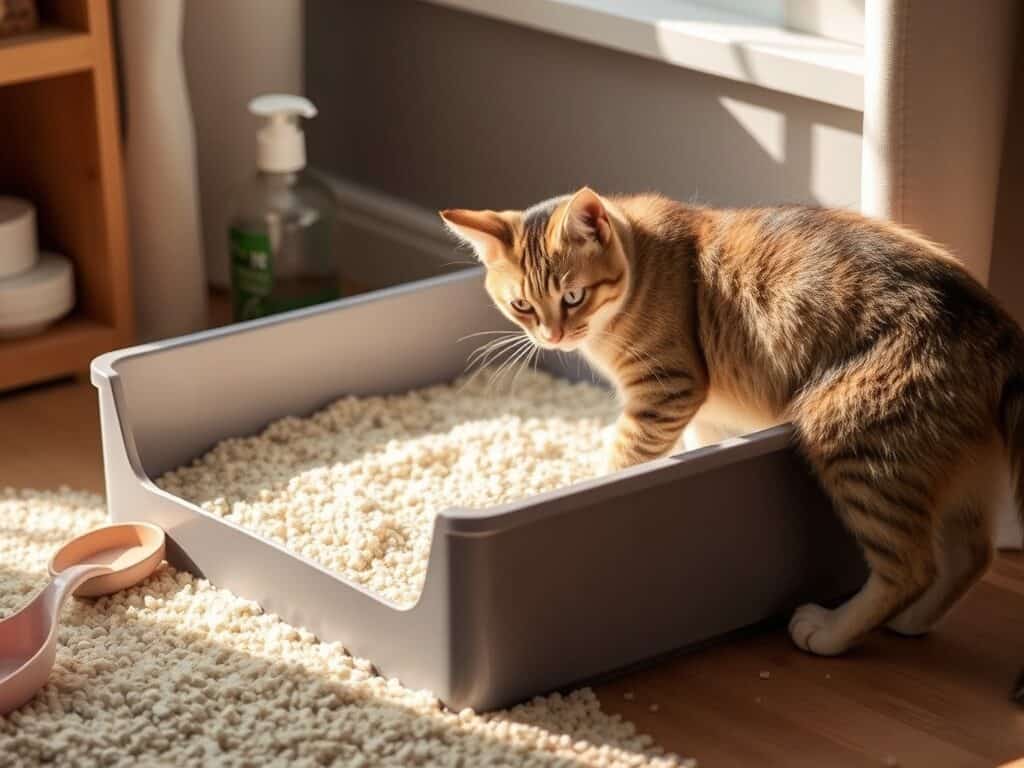
Soya cat litter seems to be the new buzz word when it comes to feline toiletries. It’s biodegradable, often flushable, and can be a more sustainable option. Or at least, that’s what the manufacturers and promotional marketing campaigns like Kit Cat Soya litter claims. However, while eco-friendliness is a big plus, your home might take on an unexpected aroma, similar to a “hamster box” smell that can creep in, even with the best intentions.
So, what gives? And more importantly, how can we enjoy the benefits of soya litter without our homes smelling like a hamster house?
Why Soya Litter May Smell Strange
The “hamster box” smell often comes from an accumulation of ammonia, a byproduct of urine breaking down. While all cat litters can experience this, the specific composition of some soya litters can contribute more readily to this issue if not managed correctly. Unlike clumping clay litters that tightly encapsulate urine, some soya litters, especially those with larger pellets or less absorbent qualities, might not trap the odour as effectively, allowing ammonia to escape into the air.
Tips To Avoid The Hamster Smell Funk
Don’t despair! With a few adjustments, you can banish those unwanted smells and ensure your feline friend has a pleasant cat-potty experience every time.
- Scoop, Scoop, Scoop – More Frequently Than You Think!
- The Golden Rule: The most crucial step with any litter, but especially with soya, is frequent scooping. Aim for at least twice a day, and ideally, immediately after your cat uses the tray. The longer urine and faeces sit, the more time odours have to develop and permeate your home.
- The Golden Rule: The most crucial step with any litter, but especially with soya, is frequent scooping. Aim for at least twice a day, and ideally, immediately after your cat uses the tray. The longer urine and faeces sit, the more time odours have to develop and permeate your home.
- Deep Clean Regularly:
- Weekly Wash: Even with daily scooping, a build-up of residue will occur. Once a week, completely empty the litter tray, wash it thoroughly with mild soap and water (avoid harsh chemicals that can deter your cat), and dry it completely before refilling.
- Weekly Wash: Even with daily scooping, a build-up of residue will occur. Once a week, completely empty the litter tray, wash it thoroughly with mild soap and water (avoid harsh chemicals that can deter your cat), and dry it completely before refilling.
- The Right Amount of Litter:
- Don’t Skimp: Ensure you have a good depth of litter – at least 5-7 cm. This allows your cat to dig and bury their waste effectively, which helps to contain odours. Too little litter means waste sits closer to the surface, accelerating odour release.
- Don’t Skimp: Ensure you have a good depth of litter – at least 5-7 cm. This allows your cat to dig and bury their waste effectively, which helps to contain odours. Too little litter means waste sits closer to the surface, accelerating odour release.
- Consider Your Litter Box Location:
- Ventilation is Key: Place the litter box in a well-ventilated area. Avoid small, enclosed spaces where odours can easily concentrate. A bathroom with an extractor fan or a utility room near a window is often ideal.
- Ventilation is Key: Place the litter box in a well-ventilated area. Avoid small, enclosed spaces where odours can easily concentrate. A bathroom with an extractor fan or a utility room near a window is often ideal.
- Explore Different Soya Litter Brands:
- Not All Soya is Created Equal: Soya litters vary in their absorbency and clumping ability. Some brands have finer granules, which can lead to better clumping and odour control. Don’t be afraid to try a few different brands until you find one that works best for you and your cat. Look for “high absorbency” or “strong clumping” claims.
- Not All Soya is Created Equal: Soya litters vary in their absorbency and clumping ability. Some brands have finer granules, which can lead to better clumping and odour control. Don’t be afraid to try a few different brands until you find one that works best for you and your cat. Look for “high absorbency” or “strong clumping” claims.
- Odor Absorbers (Used Wisely):
- Natural Helpers: You can sprinkle a thin layer of baking soda at the bottom of the litter tray before adding the soya litter. Baking soda is a natural odour absorber. Avoid perfumed litter deodorizers, as these can be off-putting for cats and some contain chemicals that can be harmful.
- Natural Helpers: You can sprinkle a thin layer of baking soda at the bottom of the litter tray before adding the soya litter. Baking soda is a natural odour absorber. Avoid perfumed litter deodorizers, as these can be off-putting for cats and some contain chemicals that can be harmful.
- Diet Matters:
- The Gut-Odour Connection: Believe it or not, your cat’s diet can impact the smell of their waste. A high-quality, easily digestible diet can lead to less odorous stools. If you’re concerned about particularly strong odours from your cat’s faeces, consult your vet about their diet.
- The Gut-Odour Connection: Believe it or not, your cat’s diet can impact the smell of their waste. A high-quality, easily digestible diet can lead to less odorous stools. If you’re concerned about particularly strong odours from your cat’s faeces, consult your vet about their diet.
- Multiple Litter Boxes:
- The “N+1” Rule: For multi-cat households, the general rule is to have “N+1” litter boxes, where N is the number of cats. This reduces competition and ensures each cat has a clean place to go, preventing them from holding it (which can lead to health issues) or finding alternative spots.
A Happy Cat, A Fresh Home
By implementing these tips, you can significantly reduce those unwelcome “hamster box” smells and ensure your Cape Town cat enjoys a clean, comfortable, and stress-free toilet experience. A happy cat and a fresh-smelling home – it’s a win-win!
Have you found a particular soya litter that works wonders for odour control? Share your tips and experiences in the comments below!